








A paving project is one of the quickest ways to transform your Adelaide garden. Whether you’re laying a patio, path, or driveway, the preparation you put in before the first paver is set makes all the difference. Without proper planning, even the best-quality pavers can crack, shift, or drain poorly. Here’s how to get your garden ready so your paving looks sharp and lasts for years.
Step 1: Plan Your Design with Purpose
Before any digging starts, think about how you’ll use the paved space. Is it a spot for outdoor dining, a pathway to the shed, or a driveway for daily use? Each purpose requires a different design approach.
- Paths: Usually narrow, often curved, and designed for easy access.
- Patios: Need to be wide enough for furniture and gatherings.
- Driveways: Must handle weight and frequent use, so durability matters most.
Sketch out your ideas, consider how the paving will connect with the rest of the garden, and make sure it complements your home’s style.
Step 2: Clear and Prepare the Site
Preparation begins with clearing the area. Remove any plants, weeds, grass, or old surfaces. In Adelaide’s clay-heavy soils, it’s especially important to dig deep enough to create a solid foundation. Typically, this means excavating 150–200mm for patios and paths, and deeper for driveways.
Once cleared, check for tree roots that could cause shifting later, and think about where water will flow when it rains. A good base ensures your paving stays even over time.
Step 3: Mark Out and Measure Accurately
Grab some stakes, string, and spray paint to mark the layout. This step helps you see the size and shape clearly before work begins. Accurate measurements also save you money — you’ll know exactly how many pavers and how much base material you’ll need.
Don’t forget to allow for a slight slope (about 10–15mm per metre) to direct water away from the house. Proper drainage is one of the most overlooked steps in garden paving.
Step 4: Build a Strong Foundation
Every great paving job starts with a strong base. After excavation, spread a layer of road base or crushed rock, and compact it well. A vibrating plate compactor is ideal for achieving a firm, level base.
Over this, add a layer of sharp sand and level it carefully. The sand creates a bed for the pavers to sit evenly and securely. Skipping or rushing this step can lead to uneven surfaces and ongoing maintenance headaches.
Step 5: Choose the Right Pavers for Adelaide Conditions
Not all pavers are created equal. Adelaide’s climate — hot, dry summers and occasional heavy downpours — demands durable materials.
- Brick pavers: Classic and slip-resistant, but may need sealing.
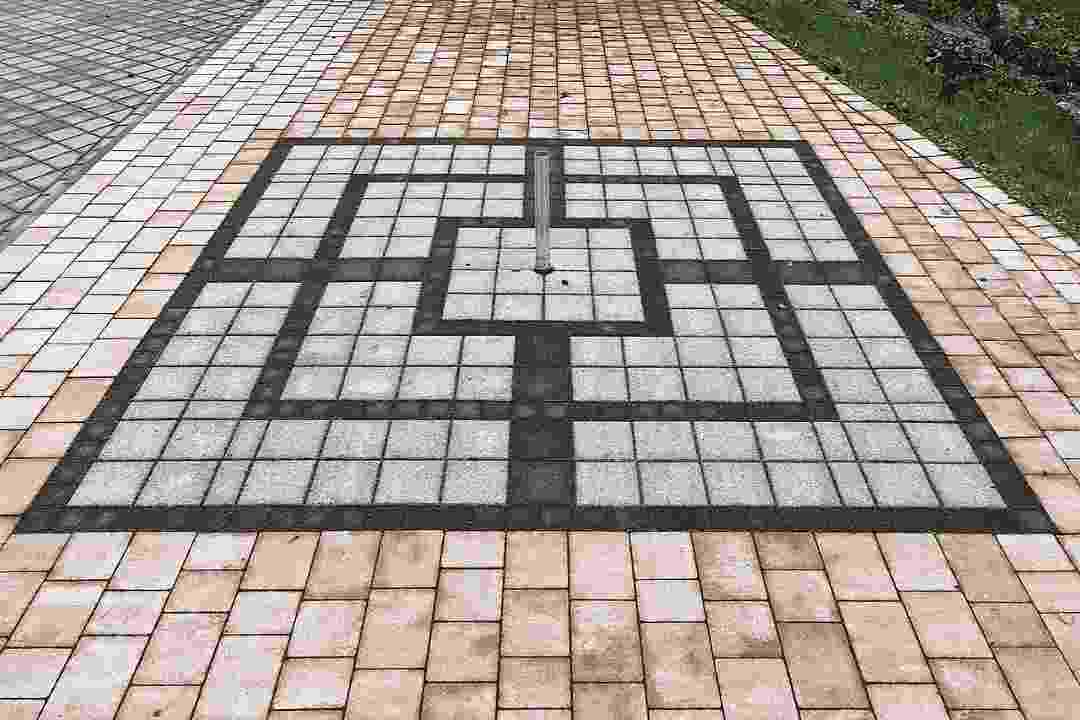
- Concrete pavers: Versatile, affordable, and available in many finishes.
- Stone pavers: Premium and long-lasting, with a natural look that suits outdoor spaces.
Think about how much traffic the area will handle, your budget, and the overall style of your home and garden. Choosing wisely now means less hassle later.
Step 6: Lay with Care
Once the base and sand bed are ready, it’s time to start laying. Place pavers in your chosen pattern, starting from a straight edge. Use spacers to maintain consistent gaps and check alignment as you go.
After all pavers are in place, sweep sand into the joints and compact the surface again. This locks everything together and prevents movement.
Step 7: Finishing Touches for a Polished Look
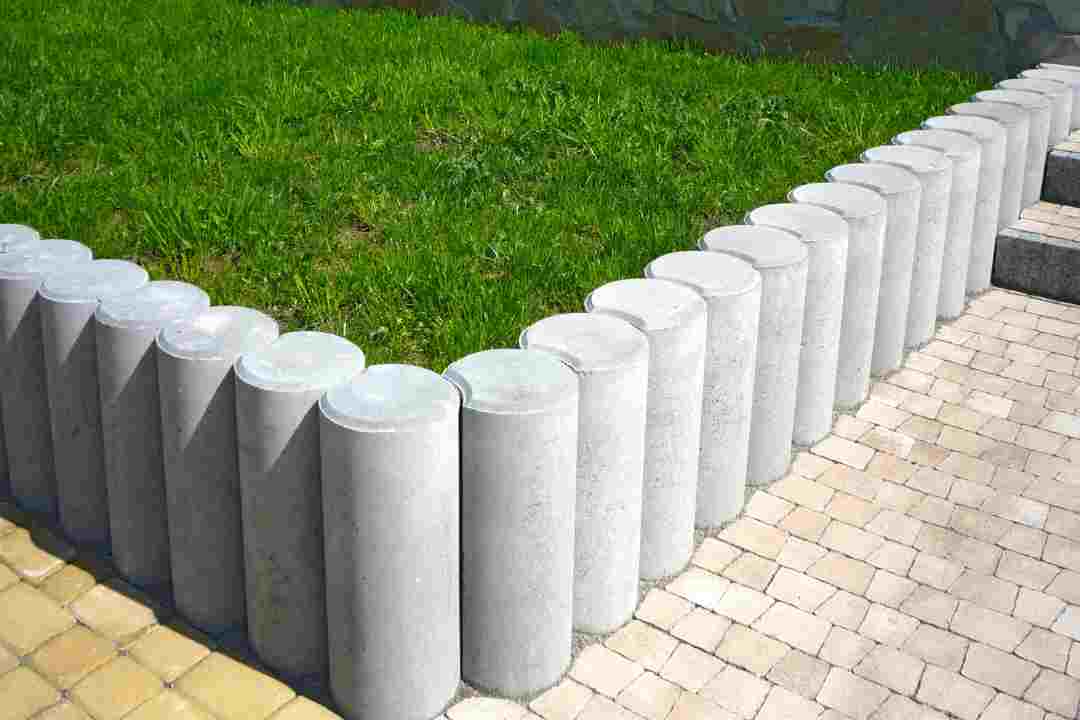
The little details make the biggest difference. Edging keeps your pavers in place and stops shifting. Sealing the surface helps protect against stains, especially in driveways or entertaining areas.
Add lighting, plants, or decorative gravel around the paved space to tie it seamlessly into your garden. These finishing touches elevate the project from practical to polished.
Step 8: Ongoing Care and Maintenance
Even the best-laid paving benefits from a bit of upkeep. Sweep regularly to keep dirt and weeds at bay. Rinse with water in summer to reduce dust, and reseal every few years to protect the surface.
By staying on top of maintenance, your paving will keep its good looks and strength for decades.
Why Preparation is Key in Adelaide
Adelaide’s mix of hot summers, clay soils, and heavy winter rains can be tough on outdoor surfaces. Proper preparation — from excavation to drainage — ensures your paving can handle local conditions without sinking, cracking, or becoming slippery. Investing time in the groundwork pays off with a long-lasting, low-maintenance finish.
Final Thoughts
Preparing your garden properly is the difference between paving that lasts and paving that fails. Plan your design, clear and level the site, build a strong foundation, and choose the right pavers for Adelaide’s unique climate. With care at each step, you’ll create a paved space that not only looks stunning but also stands the test of time.
Whether you’re doing it yourself or calling in a professional, starting with solid preparation sets your project up for success.